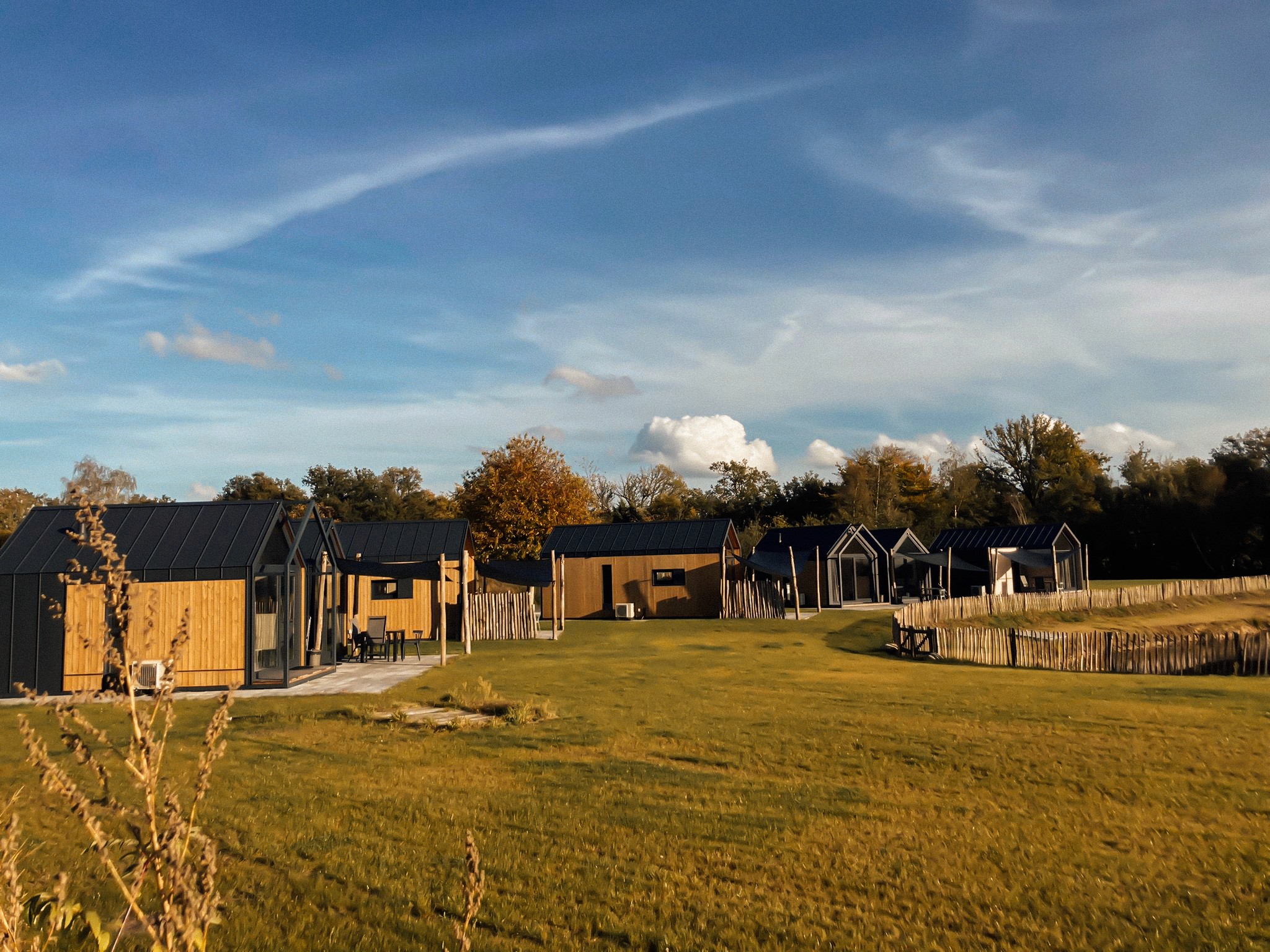
The Shift Toward Smaller, Smarter Recreation
Why compact accommodations are becoming increasingly common in holiday parks
The recreation sector is changing. More and more holiday parks are looking for ways to combine nature experience, comfort and efficient use of space.
In several industry publications, a clear shift is being described: from large-scale bungalow parks to small-scale recreation concepts with compact accommodations.
According to an analysis by Leisure Magazine, more recreation entrepreneurs are exploring new types of accommodation such as tiny houses, lodges and compact holiday homes. These concepts better match the expectations of modern guests and the spatial possibilities of many parks.
Read the full article:
“Feasibility of small-scale accommodation in recreation: opportunities and challenges”
https://www.leisuremagazine.nl/vakantieparken/haalbaarheid-kleinschalige-verblijfsrecreatie-kansen-en-obstakels/
From large-scale to small-scale
For many years, holiday parks expanded with larger bungalows and extensive facilities. Today, a different approach is emerging. Experience and surroundings are becoming more important. Many guests are increasingly looking for:
peace and nature
distinctive accommodations
a stay that feels different from home
Compact holiday homes fit naturally within this development. They require less space and leave more room for landscape, nature and privacy.
Tiny houses gaining ground
Tiny houses started as a housing concept, but are increasingly being applied in recreational developments.
Research by market research agency USP shows that interest in tiny houses continues to grow. Around one in three people in the Netherlands say they are interested in this form of living.
Read the research:
“Tiny houses remain popular as the number of projects continues to grow”
https://www.usp-research.com/nl/insights/nieuws/tiny-houses-blijven-populair-aantal-projecten-neemt-gestaag-toe/
This growing interest is also reflected in the recreation sector, where compact accommodations are increasingly becoming part of the offering.
Compact living and sustainability
Another reason for the growth of tiny houses is sustainability.
Smaller homes require less building material and less energy for heating and maintenance. As a result, they often have a smaller ecological footprint than larger homes.
Scientific publications also highlight this as an important factor in the development of tiny housing.
Read the study:
“Tiny Homes: Sustainable Housing for the Future”
https://www.ijera.com/papers/vol13no12/13126671.pdf
New opportunities for holiday parks
For campsite owners and park developers, compact recreational homes offer interesting opportunities.
They make it possible to:
use available space more efficiently
attract new target groups
create distinctive guest experiences
Compact accommodations also tend to integrate more naturally into landscapes, something that many recreation guests increasingly value.
A development that will continue
The growth of tiny houses and compact holiday homes shows that recreation continues to evolve.
Not because guests want less, but because they want to stay differently.
More connected to nature.
More focused on simplicity.
And with accommodations that respect the surrounding landscape.
Want to learn more about recreational homes for your park?
Curious how compact recreational homes can contribute to the development of your park or project?
Discover our models and possibilities for recreation and project development.
Reading:
